Bedtime routine Layering: Achieving Professional Results
7/14/20267 min read


The Fundamental Rule: Consistency and Order
The art of skincare layering is fundamentally governed by the consistent and deliberate order in which products are applied. This principle is crucial because it influences how effectively each product is absorbed and interacts with the skin. Understanding the molecular weight and viscosity of skincare products allows individuals to create an effective layering strategy tailored to their specific skincare needs.
When beginning a skincare routine, it is advisable to start with the lightest textures, usually water-based formulations, such as serums or essences. These products typically possess a lower molecular weight, which allows them to penetrate the skin more rapidly and efficiently. Light formulations can deliver essential hydration and active ingredients deeply into the skin without hindrance.
As one progresses through a skincare regimen, the next layers should consist of medium-weight products, which may include gels and lotions. These products possess a slightly higher viscosity and tend to provide additional hydration and nourishment. Following these, one should move to heavier, oil-based products such as creams or balms. The thicker consistency of these products serves a specific purpose: to seal in moisture and create a protective barrier on the skin's surface, thus preventing transepidermal water loss.
The rationale behind this layering order not only ensures optimal absorption but also maximizes the efficacy of the active ingredients within each product. The interaction between layers can enhance the overall results of a skincare routine, leading to healthier and more radiant skin. By adhering to the principle of consistency in both application and product choice, individuals can achieve a skincare regimen that effectively addresses their unique skin concerns.
Step-by-Step Layering Process
When it comes to achieving optimal results in skincare, a methodical approach to layering products is essential. The first step in this process is cleansing, which serves as the foundation for all subsequent layers. There are two types of cleansers to consider: oil-based and water-based. Oil-based cleansers are effective for dissolving makeup, sunscreen, and excess sebum without stripping the skin's natural oils. They are particularly beneficial for those with dry or combination skin. Water-based cleansers follow, providing a thorough cleaning to remove impurities and sweat. Together, these cleansing agents set the stage for effective product absorption.
After cleansing, the next step involves applying toner. Toners help to balance the skin's pH levels and can provide additional hydration. They also prepare the skin to better absorb the following treatments. There are various types of toners available, including hydrating, exfoliating, and astringent formulations, allowing users to select one based on their specific skin needs.
Once the toner has been applied, serums come into play. These concentrated treatments target specific skin concerns such as pigmentation, fine lines, or hydration. Typically, they are applied in a thin layer and can be followed by additional serums if desired. It’s important to allow some time for each product to absorb before moving on to the next layer.
The fourth step consists of applying an eye cream, which is crucial for addressing the delicate skin around the eyes. Following this, a moisturizer is recommended to provide hydration and lock in the previous layers. This step is vital in maintaining a healthy moisture barrier, which protects the skin from environmental stressors.
Finally, if the routine is being performed in the morning, the application of sunscreen is non-negotiable. A broad-spectrum SPF protects against UVA and UVB rays, ensuring that all the previous skincare efforts remain effective in preventing damage. Each of these steps plays an integral role in creating a comprehensive skincare layering routine that can yield professional results when executed correctly.
Cleansing: The Foundation of Skincare
A proper cleansing routine is essential in any skincare regimen, as it serves as the foundation for effective results through skincare layering. Cleansing prepares the skin to absorb subsequent products, ensuring that active ingredients penetrate deeply and perform optimally. Without a thorough cleansing step, dirt, oil, and makeup residue can create barriers that hinder the full potential of lotions, serums, and moisturizers. Therefore, it is vital to implement both oil-based and water-based cleansers in your routine.
Oil-based cleansers are particularly effective at breaking down and dissolving makeup, sunscreen, and excess sebum. They work on the principle that like dissolves like; the oil in the cleanser effectively attracts and removes impurities from the skin. Users should apply an oil-based cleanser to dry skin, massaging it gently to allow the product to work its magic. Following this, a water-based cleanser should be used to remove any leftover residue and provide an additional layer of cleansing. This two-step cleansing process is often referred to as double cleansing and is especially popular in Asian skincare routines.
The water-based cleanser, typically in the form of foams, gels, or lotions, focuses on eliminating any remaining impurities such as sweat and environmental pollutants. This step not only refreshes the skin but also prepares it for better absorption of other skincare products. Notably, selecting the right cleanser—whether oil-based or water-based—should be tailored to individual skin types to prevent irritation and promote healthy skin.
Incorporating an effective cleansing routine into both morning and nighttime regimens is essential. Morning cleanses help to remove the oils and sweat produced during sleep, while evening routines effectively clear away the day’s buildup of impurities. By adhering to a well-structured cleansing routine, individuals can set the stage for the successful application of their skincare products, optimizing the layering process for healthy, radiant skin.
Chemical Exfoliation: The Accelerator
Chemical exfoliation serves a pivotal role in enhancing the efficacy of a skincare regimen. By utilizing acids, this method encourages the shedding of dead skin cells, promoting a brighter complexion and improved skin texture. Products such as The Ordinary AHA 30% + BHA 2% Peeling Solution are highly regarded for their ability to deeply penetrate the skin layers, facilitating a more profound exfoliation compared to physical scrubs.
The benefits of incorporating such chemical exfoliants include improved cellular turnover, unclogged pores, and enhanced absorption of subsequent skincare products. By dissolving the bonds that hold dead skin cells together, chemical exfoliation enables serums and moisturizers to penetrate more effectively into the skin. Consequently, users often experience significant improvements in skin conditions like acne, hyperpigmentation, and fine lines.
However, it is essential to approach the use of powerful products like The Ordinary's Peeling Solution with caution. This solution, with its high concentrations of alpha-hydroxy acids (AHA) and beta-hydroxy acid (BHA), should ideally be used once a week to avoid potential irritation. Individuals with sensitive skin may want to consider testing the product on a small area prior to full application, enabling them to gauge the skin's reaction.
Additionally, applying this chemical exfoliant in the evening, followed by appropriate sunscreen during the day is advisable, as this treatment can increase skin's sensitivity to sunlight. By carefully managing the application frequency and pairing it with sun protection, one can enjoy the full spectrum of benefits that chemical exfoliation has to offer while maintaining skin health.
Toning: The Balancing Act
Toning is a critical yet frequently overlooked step in the skincare layering process. Its primary function is to restore the skin’s natural pH balance, preparing it for subsequent active treatment phases. One exemplary product that demonstrates effective toning is the Ordinary Glycolic Acid 7%. This toner not only aids in balancing pH but also offers exfoliating benefits that enhance overall skin texture and appearance.
The role of toners extends beyond mere preparation; they can enhance the effectiveness of subsequent products by ensuring optimal absorption. By applying a toner such as glycolic acid, users can create a conducive environment for serums and moisturizers to penetrate deeper into the skin, thereby maximizing their benefits. Furthermore, toners typically contain hydrating agents that can help soothe and refresh the skin, making the skin feel invigorated and ready for treatment.
For proper application, it is essential to use a suitable method to distribute the toner evenly across the face. A common technique involves dampening a cotton pad with the toner and gently wiping it across the skin, avoiding excessive pressure. This method ensures that the toner is applied uniformly. Alternatively, many professionals recommend using clean hands to pat the toner directly onto the skin. This not only minimizes waste but also encourages better absorption.
After application, patience plays a vital role. Allowing the toner sufficient time to absorb fully into the skin, usually a minute or two, is essential before moving on to the next step in the skincare regimen. This waiting period optimizes the skin’s ability to receive the active ingredients of following products, thus enhancing the entire skincare process.
Targeted Serums & Treatments: The Active Phase
Effective skincare involves the strategic application of products, especially when it comes to using targeted serums and treatments during the active phase of your routine. This phase is critical as it incorporates products that contain concentrated active ingredients designed to deliver specific benefits to the skin. Two popular types of serums that exemplify this approach are niacinamide combined with tranexamic acid (TXA) and retinol.
Niacinamide, a form of vitamin B3, is known for its ability to enhance the skin's barrier function, reduce redness, and improve the appearance of enlarged pores. When paired with TXA, which helps to brighten the skin and even out pigmentation, this combination addresses concerns such as hyperpigmentation and uneven skin tone effectively. Applying these lighter serums first allows for their optimal absorption and efficacy before proceeding to heavier formulations.
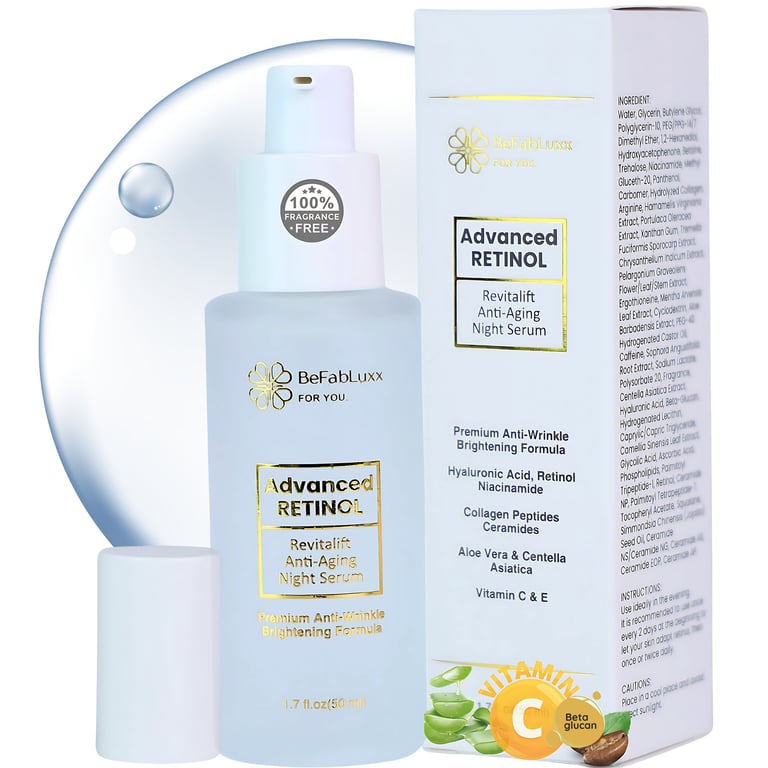
Retinol, a derivative of vitamin A, is renowned for its anti-aging properties. It promotes cell turnover, thereby reducing the appearance of fine lines, wrinkles, and acne scars. As retinol can be quite potent, it is essential to follow the correct order of application to minimize potential irritation. It is advisable to apply retinol after lighter serums such as niacinamide and TXA, allowing your skin to benefit from these treatments without hindering the absorption of the retinol.
When layering these products, it is recommended to wait a few minutes between each application to ensure that each serum is properly absorbed, maximizing their benefits. Starting with a clean and dry face, apply your targeted serums in order from the lightest to heaviest consistency, followed by moisturizers and sunscreens as needed. This thoughtful approach to layering not only enhances the effectiveness of your skincare regimen but also allows your skin to respond positively to the active ingredients, leading to professional results.
Hydration and Protection: The Final Steps
In the pursuit of a comprehensive skincare regimen, understanding the significance of hydration and protection is paramount. After applying serums and treatments, it becomes essential to seal in the moisture and nutrients through the appropriate use of moisturizers. A prime example is the CeraVe Daily Moisturizing Lotion, which is designed to lock in previous treatments while reinforcing the skin's natural barrier. This product is particularly notable for its inclusion of essential ceramides and hyaluronic acid, which effectively retain moisture and prevent transepidermal water loss. Therefore, using a high-quality moisturizer is a critical final step in any layering process.
Additionally, the role of protecting the skin cannot be overstated. Daily application of a broad-spectrum SPF is vital in any morning skincare routine to shield skin from the detrimental effects of UV radiation. Exposure to the sun can lead to premature aging and increased risk of skin conditions, making ultraviolet protection indispensable. When choosing a sunscreen, it is advisable to select a formulation that is non-comedogenic and offers adequate protection against both UVA and UVB rays.
In conclusion, the final steps of hydration and protection are crucial in achieving and maintaining healthy skin. By effectively sealing in moisture with a reliable moisturizer like CeraVe Daily Moisturizing Lotion, as well as diligently applying broad-spectrum SPF each morning, individuals can enhance their skincare results significantly. This careful attention to hydration and protection not only helps in achieving professional-looking skin but also promotes long-term skin health, underscoring the importance of a comprehensive approach to skincare layering.